
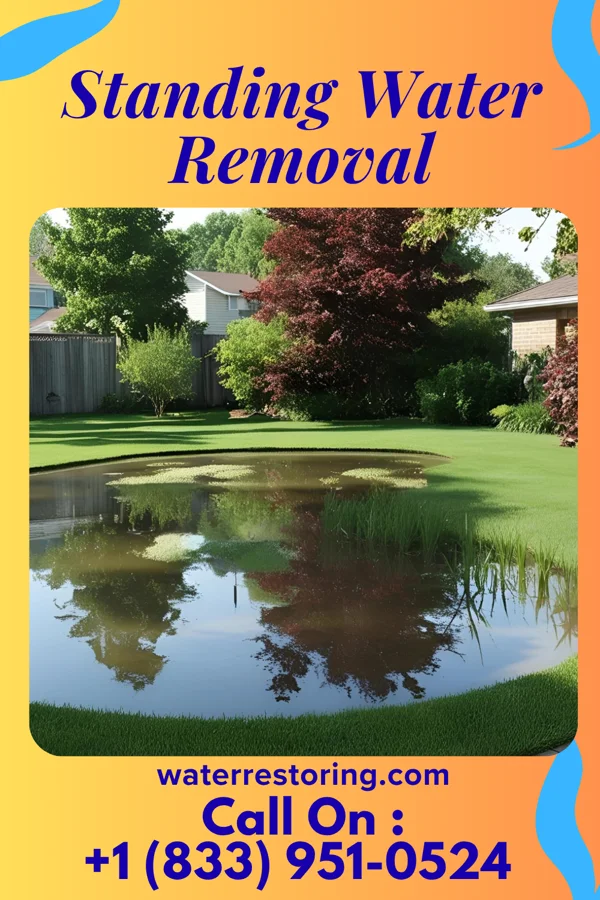
Ground-Water Standing Water in Nashville
Water damage in Nashville tends to cluster in predictable windows because of the local climate. In Nashville, North Carolina, water damage is often caused by heavy rainfall and flooding from nearby rivers like the Neuse River, especially during spring storms. Additionally, aging infrastructure and frequent sewer backups in rural areas like Nash County contribute to sudden water intrusion in homes and businesses. A close second is Secondary causes include leaking roofs, burst pipes, and groundwater seepage in lower-lying areas near Momeyer, Red Oak, and Dortches. Poor drainage systems in rural neighborhoods also increase the risk of water accumulation during heavy downpours..
Nashville's climate features hot, humid summers and moderate winters, which can lead to condensation and mold growth in poorly ventilated homes. The region's frequent thunderstorms and occasional hurricanes also pose a threat to property integrity.
Nashville's climate features hot, humid summers and moderate winters, which can lead to condensation and mold growth in poorly ventilated homes. The region's frequent thunderstorms and occasional hurricanes also pose a threat to property integrity. The dominant local driver is In Nashville, North Carolina, water damage is often caused by heavy rainfall and flooding from nearby rivers like the Neuse River, especially during spring storms. Additionally, aging infrastructure and frequent sewer backups in rural areas like Nash County contribute to sudden water intrusion in homes and businesses., with Secondary causes include leaking roofs, burst pipes, and groundwater seepage in lower-lying areas near Momeyer, Red Oak, and Dortches. Poor drainage systems in rural neighborhoods also increase the risk of water accumulation during heavy downpours. showing up as the next most common cause. Damage builds in stages. Spread. Absorption. Microbial growth. Structural compromise. Every stage you pass through adds to the final bill.